





Auryn Wealth Logo Auryn Wealth Contact Us
Contact Us
Market Dynamics

What Determines Gold Prices in Global Markets

Understanding the complex factors that drive gold valuations — from currency movements to geopolitical tensions and inflation expectations

12 min read Intermediate March 2026
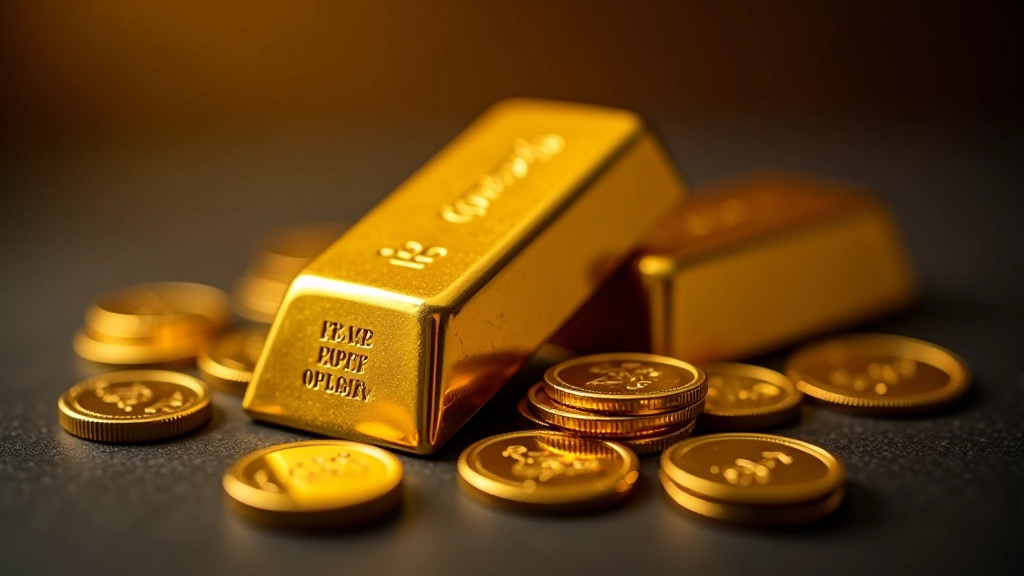
Gold bars and coins arranged on a dark surface with professional lighting

Why Gold Prices Matter

Gold isn’t just shiny metal — it’s a barometer for global economic health. Whether you’re considering Sovereign Gold Bonds, building a diversified portfolio, or simply curious about markets, understanding what drives gold prices is essential. The price you see quoted isn’t random. It’s the result of interconnected forces playing out across continents every single trading day.

We’re talking about supply and demand, sure. But there’s much more. Currency strength, interest rates, central bank policies, inflation fears, geopolitical crises — they all move the needle. Some factors push prices up, others pull them down. What’s fascinating is how quickly sentiment can shift when unexpected news breaks.

5 Major Price Drivers
24/7 Global Trading
Inverse To Dollar Strength

Currency Movements: The Primary Driver

Here’s something counterintuitive: gold prices move inversely to the US dollar. When the dollar strengthens against other currencies, gold becomes more expensive for international buyers — demand drops, prices fall. Conversely, a weakening dollar makes gold cheaper globally, boosting demand and pushing prices up.

This relationship isn’t accidental. Gold trades in US dollars on global markets. An Indian investor with rupees needs more rupees to buy gold when the dollar appreciates. A European buyer with euros faces the same squeeze. That’s why central bank policies affecting the dollar get immediate attention from gold traders. A 2% move in the dollar index can swing gold prices significantly.

  • Dollar appreciation typically pressures gold prices downward
  • Dollar weakness generally supports higher gold valuations
  • Reserve currency status amplifies the dollar’s influence
  • Real-time currency markets directly impact gold valuations
Currency exchange rate display showing dollar strength and gold price correlation on a financial trading screen
Central bank monetary policy documents and interest rate schedules displayed with financial charts in background

Interest Rates Shape Gold Demand

When interest rates rise, holding gold becomes less attractive. Why? Gold doesn’t pay dividends or interest. You buy it, store it, and wait. If you could earn 6% annually in Treasury bonds instead, that’s suddenly more appealing. Higher rates mean opportunity cost. Investors shift capital from gold to yield-bearing assets.

The Federal Reserve’s decisions ripple through markets instantly. When the Fed signals rate increases, gold prices often fall within minutes. Conversely, falling rates — or signals of future rate cuts — support gold. During 2023, when interest rate expectations shifted, gold experienced significant price movements. Central banks worldwide know this. It’s why their communications matter so much.

In India, where Sovereign Gold Bonds are popular, domestic interest rates also influence gold demand. Higher bond yields make SGBs more attractive compared to physical gold. That affects both pricing and investment decisions.

Inflation Expectations and Purchasing Power

Investors view gold as inflation insurance. When inflation expectations rise, gold becomes attractive because it preserves purchasing power. Unlike paper currency, gold’s supply can’t be printed by central banks. Historically, gold prices correlate with inflation fears. During the 1970s inflation surge, gold rallied dramatically.

It’s not that gold perfectly hedges inflation — the relationship is complex. But the perception matters enormously. When central banks struggle to control inflation, investors rotate into gold. When inflation appears contained, gold demand softens. Market participants constantly recalibrate their inflation expectations. Each inflation data release — consumer price indices, producer prices — triggers gold market reactions.

The Inflation Connection

Real interest rates (nominal rates minus inflation) are crucial. Negative real rates strongly support gold prices because holding cash actually loses value. During low-rate, high-inflation environments, gold shines.

Inflation data charts and consumer price index trends displayed with upward trending arrows and economic indicators

Geopolitical Risk and Safe-Haven Demand

Wars, trade tensions, political instability — they all boost gold prices. Investors call it “safe-haven” demand. When uncertainty rises, capital flows into gold. It’s a store of value that doesn’t depend on any government’s stability or currency strength. This explains why gold spiked during the 2008 financial crisis, during COVID-19 lockdowns, and during various geopolitical tensions.

Consider recent history. When Russia’s invasion of Ukraine occurred, gold prices jumped within hours. Investors worldwide rushed to secure assets perceived as safe. Central banks added to reserves. Individuals purchased physical gold. The market moved decisively. That’s the power of geopolitical risk perception.

It’s not predictable. You can’t know when the next crisis hits. But markets price in ongoing uncertainty. During stable, peaceful periods, geopolitical premium diminishes — prices settle lower. During crises, that premium expands dramatically. It’s why gold is sometimes called “insurance for your portfolio.”

News headlines and global map showing geopolitical regions with economic impact indicators and market volatility charts

Supply and Demand Fundamentals

While macroeconomic factors dominate short-term price movements, supply and demand provide the foundation. Global gold production runs around 3,000 tonnes annually. Major producers include China, Australia, and Russia. Mining supply takes time to adjust — you can’t quickly increase production when prices rise.

Supply Side

Mine production grows slowly. Recycling adds supply, but it’s limited. Central bank sales impact supply. Increased mining costs at higher price levels eventually constrain production growth.

Demand Side

Jewelry demand drives roughly 50% of consumption. Investment demand fluctuates based on sentiment. Central banks build reserves during weak-currency periods. Industrial demand remains steady but small.

Market Equilibrium

Prices adjust to balance supply and demand. Seasonal patterns exist — jewelry demand peaks before festivals in India and Asia. These fundamentals create baseline price levels.

Central bank building architecture with gold vault doors and official monetary policy announcements displayed prominently

Central Bank Actions and Reserve Holdings

Central banks hold gold reserves — approximately 35,000 tonnes globally. When they buy, they signal confidence in gold. When they sell, they risk signaling weakness in their currency. China and Russia have been steady buyers, adding to reserves. This matters because central bank demand is patient, long-term capital. It supports price floors.

Beyond direct purchases, central bank policies indirectly drive gold. Monetary policy announcements, quantitative easing, emergency lending facilities — they all affect gold prices through currency and interest rate channels. The Reserve Bank of India’s policies influence gold prices for Indian investors. The ECB’s decisions impact European demand. These policies cascade through markets.

Some nations use gold reserves strategically. During currency crises, central banks have mobilized gold to defend their currencies. India’s 2013 gold import restrictions reflected policy decisions that temporarily suppressed demand. Understanding central bank thinking helps predict price movements.

Market Sentiment and Technical Factors

Beyond fundamentals, sentiment matters. When investors are fearful, they buy gold. When they’re confident, they favor riskier assets. The VIX index (volatility index) correlates with gold prices. Higher volatility typically pushes investors toward gold.

Technical Trading Influences Price

Gold markets have large speculative positions. Hedge funds, commodity traders, and investment banks hold significant long or short positions. When these positions shift, prices can move dramatically regardless of fundamental changes. Support and resistance levels matter. Trend followers amplify movements in both directions.

Investor Risk Appetite — Lower appetite supports gold
Equity Market Performance — Inverse correlation generally holds
Real Estate Markets — Competition for investment capital
Speculative Positioning — Large trader positions move prices

Gold Prices in the Indian Context

For Indian investors, gold prices matter deeply. India is the world’s largest gold consumer — approximately 20% of global demand. When international gold prices rise, rupee depreciation amplifies the impact for domestic buyers. A 10% international price increase combined with 5% rupee weakness means 15%+ higher gold costs in rupee terms.

Sovereign Gold Bonds offer an alternative to physical gold. They track global gold prices (in rupees) but eliminate storage and security costs. Understanding what drives prices helps evaluate whether SGBs or physical gold make sense for your situation. During inflationary periods, when the rupee weakens, gold prices rise significantly — making it valuable portfolio protection.

Indian import duties and policy changes also influence local prices. When the government adjusted import duties, domestic premiums shifted. These policy variables layer on top of global market dynamics, creating unique pricing in India.
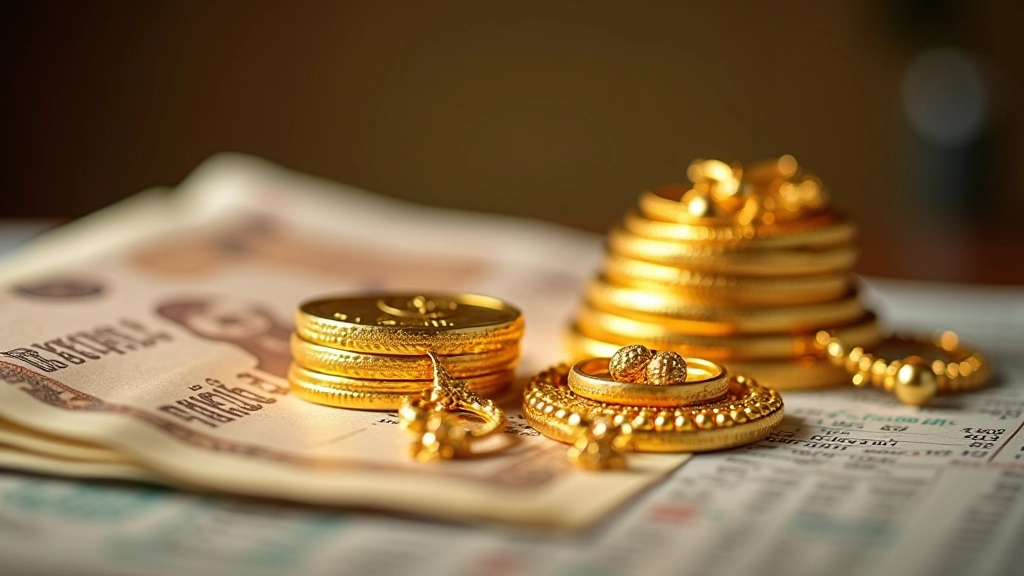

Indian rupee currency notes and gold jewelry displayed together with financial newspaper headlines showing market data and investment information

Key Takeaways

Gold prices don’t move randomly. They respond to measurable, identifiable forces. Understanding these drivers helps you make informed decisions about gold investments, whether through Sovereign Gold Bonds, physical holdings, or as portfolio diversification.

1

Currency Strength Rules

The US dollar’s strength inversely affects gold. A weak dollar supports higher gold prices globally.

2

Interest Rates Matter Critically

Rising rates reduce gold’s appeal. Falling rates support prices. Real rates (nominal minus inflation) are most relevant.

3

Inflation Protection Appeal

Gold preserves purchasing power. Inflation fears boost demand and prices substantially.

4

Crises Drive Safe-Haven Demand

Geopolitical tensions and financial uncertainty increase gold’s attractiveness quickly.

5

Supply-Demand Basics

Mine production, recycling, and investment demand determine baseline price levels over time.

Important Disclaimer

This article provides educational information about gold price factors and market dynamics. It’s not financial advice. Gold prices depend on complex, interconnected global factors that change constantly. Past performance doesn’t guarantee future results. Market conditions, policy shifts, and unexpected events can dramatically alter gold’s trajectory.

Before making investment decisions — whether purchasing physical gold, investing in Sovereign Gold Bonds, or building a diversified portfolio — consult with qualified financial advisors who understand your specific situation, goals, and risk tolerance. Different strategies suit different investors. What works for one person may not suit another.

This content is current as of March 2026. Markets evolve. New factors emerge. Economic policies change. Stay informed, monitor developments, and adjust your approach based on your circumstances and professional guidance.